Dr. Sanoop Kumar Sherin Sabu
The ketogenic diet represents the most restrictive end of the low-carbohydrate spectrum.

Typically, carbohydrate intake is kept sufficiently low to induce nutritional ketosis, with dietary fat providing the majority of energy.
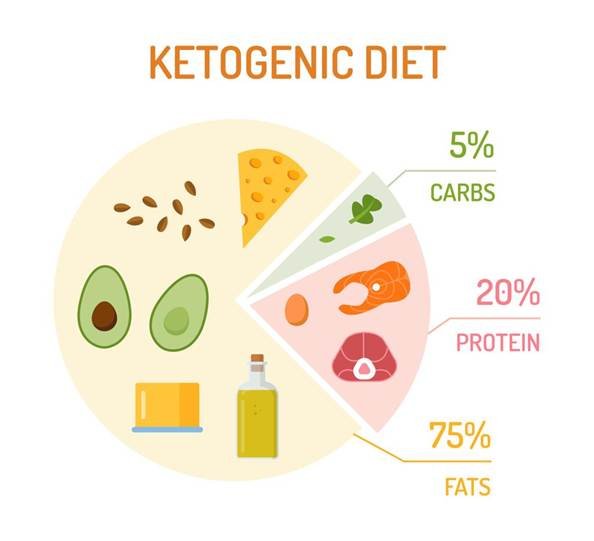
A commonly used formulation provides approximately:
- 70% or more of energy from fat
- Very low carbohydrate
- Moderate protein
Potential advantages
Ketogenic diets can produce:
- Early, substantial weight loss
- Reduced appetite in some individuals
- Improvements in glycemic parameters and triglycerides in selected patients
Limitations and adverse effects
Patients may experience:
- Constipation
- Headache
- Weakness/fatigue
- Muscle cramps
- Halitosis
- Nutrient/fiber inadequacy if poorly formulated
- Worsens Fatty Liver
- Worsens Cardiac Risk

Long-term safety and cardiovascular effects depend substantially on what foods replace the carbohydrate. A ketogenic diet rich in saturated fat and processed meat is very different from one emphasizing unsaturated fats, fish, nuts and non-starchy vegetables.
Ketogenic diets should be avoided in Patients with Fatty liver and Cardiac Risk factors
Click to Read More about Obesity Life Style Management and Other Diet Plans