
Dr. Sanoop Kumar Sherin Sabu
Life style Management is the key in obesity. There is no perfect diet plan for all. It is an art to tailor it based on patients profile. Exercise plays a a key role in sustaining the weight loss and maintaining the muscle mass. Anti obesity drugs are indicated only in certain groups.
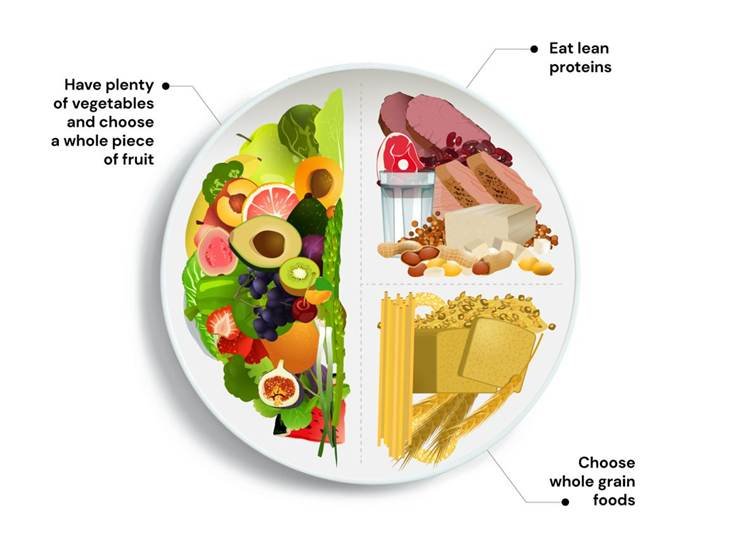
The central principle: there is no single “best” diet
A variety of dietary patterns can produce clinically meaningful weight loss when they create a sustained energy deficit.
No single dietary pattern has consistently demonstrated long-term superiority for everyone.
The most useful dietary strategy is therefore one that is:
- Nutritionally adequate
- Calorie appropriate
- Compatible with the patient’s medical conditions ( Eg. Ketogenic diet cannot be used in patients with fatty liver or Cardiac diseases)
- Culturally acceptable
- Affordable and practical
- Sustainable over the long term
Adherence may matter more than the label of the diet
Rather than asking “Which diet is the best?”, clinicians should ask:
“Which dietary approach can this patient realistically follow for years?”
Regardless of the dietary pattern, patients should be encouraged to:
- ↓ Sugar-sweetened beverages
- ↓ Ultra-processed foods
- ↑ Minimally processed, nutrient-dense foods
These principles are common to several cardio metabolically healthy dietary patterns.

All diet patterns must be augmented with exercise schedules which will improve weight loss and cause muscle building.
Exercise– 150-300 minutes of moderate intensity Exercise per week
Different Types of Diet for weight reduction are
- Low Carbohydrate Diet
- Ketogenic Diet
- High Protien Diet
- Low Fat Diet
- Low Glycaemic Index Diet
- Mediterranean Diet
- Time Restricted Fasting
- Intermittent Fasting
- Continuous Calorie Restricted Diet
- Meal Replacement Diets
Examples of Choices
| Clinical situation | Potentially useful approach |
| Insulin resistance / T2DM | Low-carbohydrate or Mediterranean-style or low GI diet |
| High cardiovascular risk/ Metabolic syndrome | Mediterranean-style |
| Difficulty controlling hunger | Higher-protein / higher-fibre approach |
| Patients with muscle mass loss with obesity (Sarcopenic) | Higher-protein |
| Preference for structured eating windows | TRE / Intermittent fasting |
| Difficulty with portion control | Meal replacements |
| Dyslipidemia | Mediterranean / low-saturated-fat pattern |
| Young patients without comorbidities, but only obesity | Ketogenic diet |
Details of each of this diet are given seperately. Kindly Click them to read and understand