Dr. Sanoop Kumar Sherin Sabu
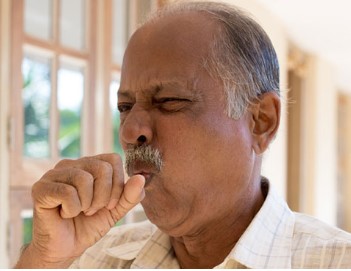
If you have GERD (acid reflux), you may notice that some beverages make your symptoms worse.
Among commonly consumed caffeinated drinks, black coffee is often the most troublesome for people who are sensitive to reflux. Tea may be better tolerated, while green tea is often tolerated even better by some people.
A simple approach
- Black coffee → limit to <250 mL/day
- Tea → usually better tolerated than coffee
- Green tea → may be better tolerated than regular tea
However, everyone is different. The important question is not simply “Is coffee bad for GERD?” but:
“Does this drink trigger my reflux symptoms?”
Coffee has been associated with a small increase in GERD in recent research, although the overall effect is modest and may not be clinically important for everyone.
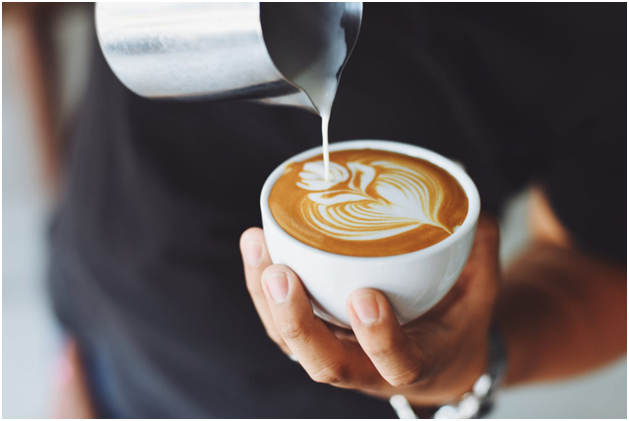
If you love your coffee
You don’t necessarily have to stop it completely.
Try:
- Keep black coffee below 250 mL per day
- Avoid drinking it on an empty stomach if it triggers symptoms
- Avoid coffee close to bedtime
- Consider a smaller serving or decaffeinated coffee if symptoms persist
An older controlled study found that regular coffee increased reflux more than tea, while decaffeination reduced the reflux effect of coffee.
Remember
GERD does not mean you have to give up everything you enjoy.
The goal is to identify your personal triggers and modify them.
Black coffee → limit
Tea → moderate
Green tea → may be better tolerated
And if even tea or green tea causes your symptoms, reduce those too.
The best GERD diet is not a diet of unnecessary restrictions—it is a diet tailored to your symptoms.