You don’t have to drink alcohol to develop fatty liver disease. Everyday lifestyle choices can influence how your body processes sugar and fat, potentially contributing to fat accumulation in the liver. The concerning part is that fatty liver often develops silently, without obvious symptoms.
Here are 6 common habits that deserve attention.
1. Eating Late at Night and Going Straight to Bed
Regularly eating heavy meals late at night may contribute to excess calorie intake, particularly when accompanied by frequent snacking, sugary desserts and refined carbohydrates. Over time, excess energy can contribute to fat accumulation in the liver.
Try to maintain regular meal timings, eat balanced portions and avoid making large meals immediately before bedtime a daily habit.
2. Drinking Fruit Juice Instead of Eating Whole Fruits.
Fruit juice may appear healthy, but it does not offer the same fibre content and satiety as whole fruit. Packaged juices may also contain added sugars.
Frequent consumption of sugary beverages can increase calorie intake and contribute to metabolic dysfunction, especially when combined with a sedentary lifestyle.
Choose whole fruits over fruit juice whenever possible, and make water your primary everyday drink.
3. Exercising for 30 Minutes but Sitting for the Rest of the Day
A daily workout is beneficial, but prolonged sitting throughout the day can still contribute to physical inactivity and impaired insulin sensitivity.
Insulin resistance plays an important role in the development of metabolic dysfunction-associated steatotic liver disease (MASLD).
Take short walking breaks, stand up regularly and incorporate movement into your daily routine. Remember, physical activity should extend beyond your morning exercise session.
4. Consistently Sleeping Only Five Hours
Sleep is important for metabolic health. Chronic sleep deprivation can affect appetite regulation, glucose metabolism and body weight.
Poor sleep may contribute to the metabolic abnormalities associated with fatty liver disease. Most adults should aim for approximately seven to nine hours of sleep each night.
Prioritising adequate sleep is an important part of maintaining overall metabolic health.
5. Assuming That a Normal Body Weight Means a Healthy Liver
A person can have fatty liver even without being overweight.
Some individuals, particularly within South Asian populations, may develop excess visceral fat and insulin resistance despite having a normal BMI.
Abdominal fat, diabetes, abnormal cholesterol and other metabolic risk factors can increase the likelihood of MASLD.
A normal body weight does not automatically mean a healthy liver.
6. Frequent Consumption of Ultra-Processed Foods
Packaged snacks, processed meats, sugary cereals, biscuits, cakes and fast foods can contain excessive calories, added sugars, unhealthy fats and refined carbohydrates.
Regularly consuming these foods may promote weight gain, insulin resistance and fatty liver.
What can you do?
Choose fresh, minimally processed foods more often.
Replace packaged snacks with whole fruits, nuts or other nutritious alternatives.
Limit foods high in added sugar and excess calories.
Focus on a balanced diet rich in vegetables, whole grains and adequate protein.
7. Unnecessary Supplements and Medicines
Taking unnecessary supplements, herbal remedies, and certain medications without medical supervision may harm your liver. Some herbal and dietary supplements can cause drug-induced liver injury, while certain medicines may affect liver function. Although not all supplements or medications cause liver damage, excessive or inappropriate use can pose risks. Fatty liver disease is more commonly associated with metabolic risk factors such as obesity, insulin resistance, type 2 diabetes, and unhealthy dietary habits. If you have fatty liver, avoid self-medicating or taking supplements marketed as liver detoxifiers without proper medical advice. Always consult your doctor before starting or stopping any medication or supplement.
Conclusion
Protecting your liver involves more than avoiding alcohol. Regular physical activity, balanced meals, fewer sugary drinks, adequate sleep and good metabolic health all contribute to reducing the risk of fatty liver disease.
If you have diabetes, abdominal obesity or other metabolic risk factors, discuss your liver health with your gastroenterologist and verify your liver status.
Your liver may not give you warning signs in the early stages. Don’t wait for symptoms to start taking care of it.
Dr. Sanoop Kumar Sherin Sabu (Your Physician) Many of my patients who visit me with the report of their ultrasound abdomen often ask me what is fatty liver? In some…
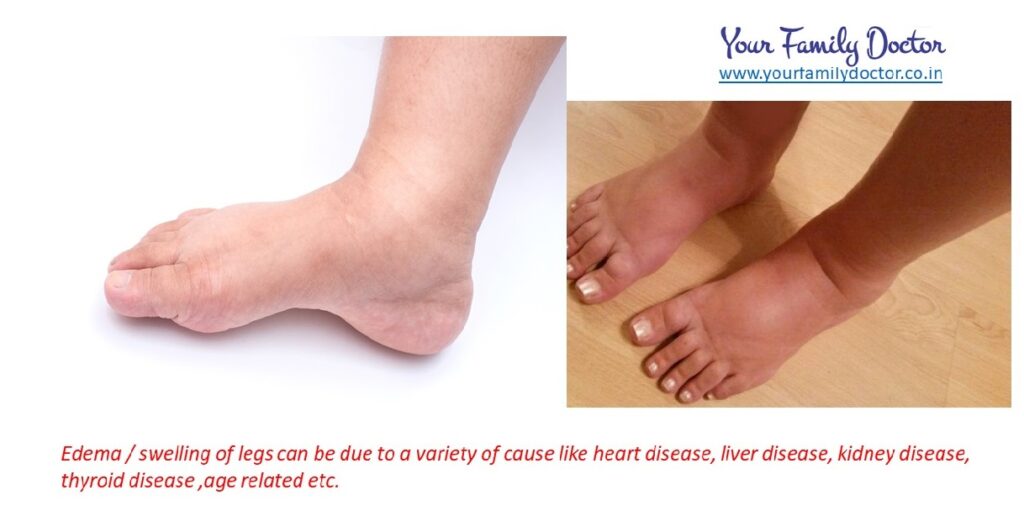
There are different reasons for edema / swelling of legs. It can be due to variety of causes like heart, liver, thyroid, kidney diseases. The treatment depends on the cause.
Fatty liver can happen in both alcoholics and non alcoholics. When it happen in non alcoholics it is commonly called as Non-Alcoholic Fatty Liver Disease ( NAFLD). But recently since…